Shipping Prep
What to Look Out for When Shipping Your Car: A Pre-Shipment Checklist
A carrier's pre-shipment checklist for shipping your car: how to prep the vehicle, document its condition, vet the transporter, read the bill of lading, and avoid the mistakes that cost owners money.
Shipping a car is routine for us. We do it every day. For most owners it happens once every few years, and the difference between a smooth move and a stressful one usually comes down to the ten minutes of preparation before the truck arrives.
This is the same checklist we walk our own customers through. Follow it and you'll protect your vehicle, speed up pickup, and give yourself airtight documentation if anything ever needs to be sorted out.
Clean the car so you can actually see its condition
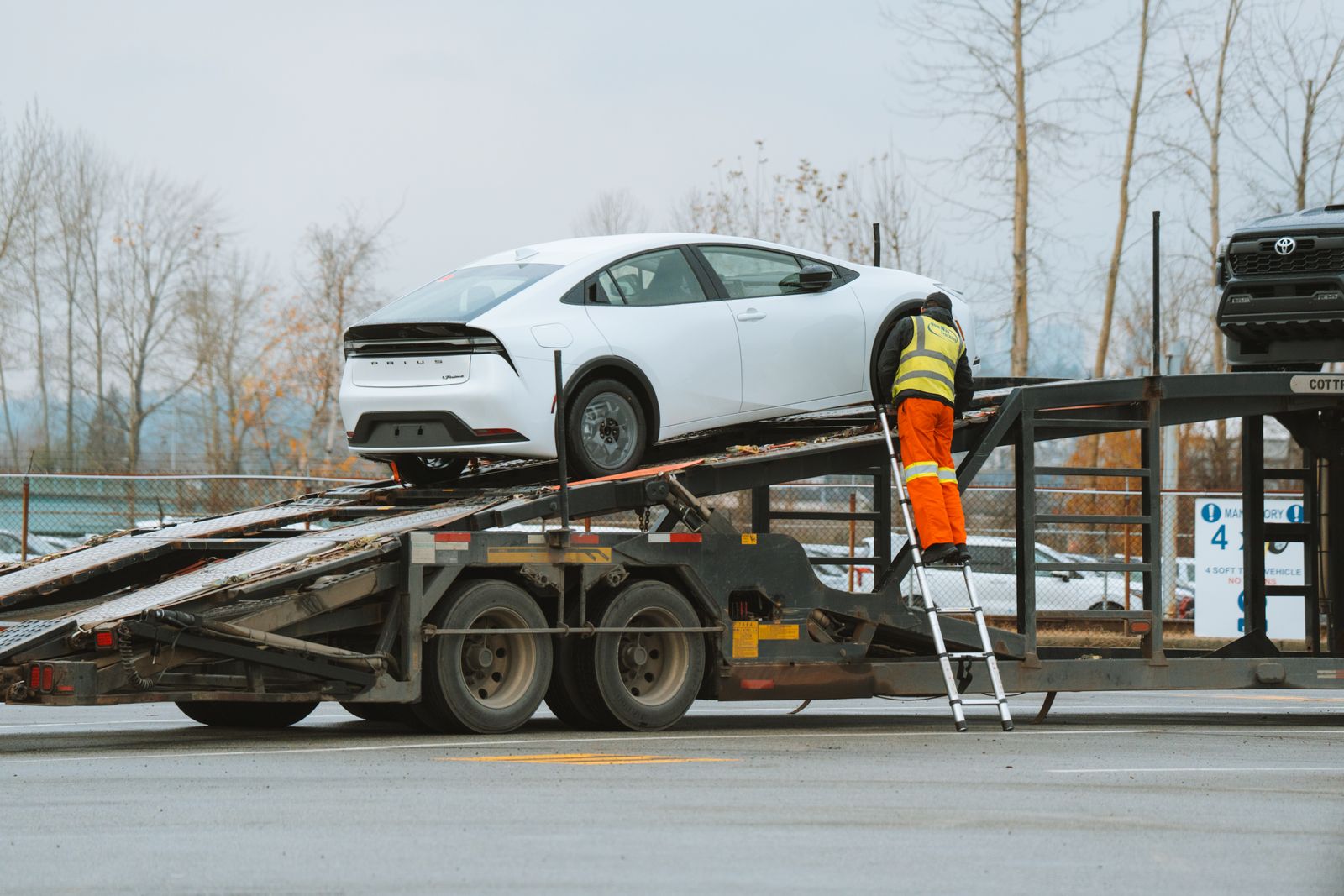
Wash the exterior the day before pickup. This isn't about looks. A dirty car hides existing chips, scratches, and dings, and those are exactly the details you want visible in your condition photos. A clean panel photographs honestly.
Give the interior a quick once-over too, and make a note of the odometer reading. You'll want that number recorded on the bill of lading.
Document everything with photos and video
This is the single most important step, and it takes five minutes.
- Photograph all four sides, the roof, and both bumpers in good daylight.
- Take close-ups of any existing damage, including rock chips, curb rash, scratches, and cracked trim.
- Get a shot of the odometer and the fuel gauge.
- Add a short walk-around video for good measure.
Make sure your photos are timestamped, which most phones handle automatically. These images are your baseline. In the rare event of a dispute, dated before-and-after photos settle it immediately.
Prep the vehicle mechanically
A few small steps prevent the most common delivery-day headaches:
- Fuel: leave about a quarter tank. Enough to load and unload, light enough to keep trailer weight down.
- Battery and tires: make sure the battery is charged and the tires are properly inflated. The driver has to load and unload the car under its own power unless it's a declared inoperable move.
- Alarms: disable any aftermarket alarm so it doesn't drain the battery in transit.
- Toll tags and parking passes: remove or bag transponders so you're not billed as the trailer passes toll readers.
- Mirrors and antennas: fold them in or retract them, and note the ground clearance if the car is lowered. Tell your carrier so they bring the right ramps.
Remove personal items and loose accessories
Auto transport insurance covers the vehicle, not its contents. Carriers are licensed to move cars, not household goods, so anything you leave inside is uninsured and can shift and cause interior damage.
Clear out the cabin, take the loose cargo covers and chargers, and remove external add-ons like bike racks, roof boxes, removable spoilers, and custom antennas that could catch wind or get knocked in a tight load.
Vet the company before you hand over keys
Everything above protects the car. This step protects you. Before you book, confirm you're dealing with a real, licensed carrier and not just a broker collecting a deposit.
- Look up the company's USDOT number on the FMCSA's SAFER database and confirm the authority is active.
- Ask directly: are you the carrier that will physically move my car, or a broker? Both are legitimate, but you deserve a straight answer.
- Confirm active cargo and liability insurance, and ask for a certificate if it's a high-value vehicle.
We go deep on this in our guide to the signs of a good versus bad car hauler. It's worth reading before you sign anything.
Read the bill of lading like a contract, because it is one
When the driver arrives, they'll do a walk-around inspection and record the car's condition on the bill of lading (BOL). This is the document that matters most.
At pickup:
- Walk around the car with the driver.
- Make sure every existing ding and scratch is noted on the form.
- Confirm the odometer reading and any accessories.
- Never sign a blank or incomplete BOL.
At delivery:
- Inspect the car in daylight before you sign. If it's dark, use your phone's flashlight and take your time.
- Compare against your pickup photos.
- If you spot new damage, note it on the BOL before signing and photograph it immediately.
A reputable carrier expects this and welcomes it. Thorough documentation protects both sides.
Understand the quote and the timeline
Finally, know what you're agreeing to:
- Get the quote in writing, all-in. Be wary of a number that's far below everyone else's. It's often a low anchor that rises later.
- Ask about the pickup and delivery window. Auto transport works in windows, not exact appointments, because routes flex with traffic and weather.
- Understand the payment terms up front. How much, if anything, is due at booking, and what's due on delivery.
If you want the full play-by-play of how a move unfolds, read what to expect when shipping your car.
The quick version
If you only remember five things: wash it, photograph it, quarter tank, empty it out, and never sign a blank bill of lading. Do those and you've handled 90% of what protects your vehicle. Pair them with a licensed, insured carrier and you've handled the rest.
Frequently asked questions
How much gas should I leave in my car for shipping?
Leave roughly a quarter tank, somewhere between 1/8 and 1/4. That's enough for the driver to load, unload, and reposition the vehicle, but light enough to keep the trailer's weight down. A full tank adds unnecessary weight and is a safety concern on the trailer.
Can I leave personal items in the car during transport?
As a rule, no. Carriers are licensed to move vehicles, not household goods, and items in the car aren't covered by auto transport insurance. Loose items can also shift and damage the interior. If you must leave something, keep it light, below the window line, and in the trunk, and confirm with your carrier first.
What is a bill of lading and why does it matter?
The bill of lading (BOL) is the official document that records your vehicle's condition at pickup and delivery, along with the terms of the move. It's your proof of the car's state before and after transport. Always review it against the actual vehicle, note any existing damage, and never sign a blank or unfinished BOL.
Should I ship my car with the alarm on?
No. Disable any aftermarket alarm or provide instructions for it. An alarm that triggers repeatedly in transit can drain the battery and leave you with a no-start vehicle at delivery. Also disable or remove toll transponders so you're not billed as the trailer passes toll gantries.