Choosing a Service
Enclosed vs. Open Auto Transport: Which Is Right for Your Vehicle?
Enclosed vs. open car shipping compared: cost, protection, availability, and the exact vehicles each is best for, so you can choose the right service without overpaying or under-protecting your car.
It's the first real decision you'll make when shipping a car: open or enclosed? The good news is it's not complicated once you know what each one is actually for. Most vehicles ship open, and that's exactly right. A specific set of vehicles should ship enclosed, and for those it's worth every dollar.
Here's how to figure out where your car falls.
Open transport: the efficient standard
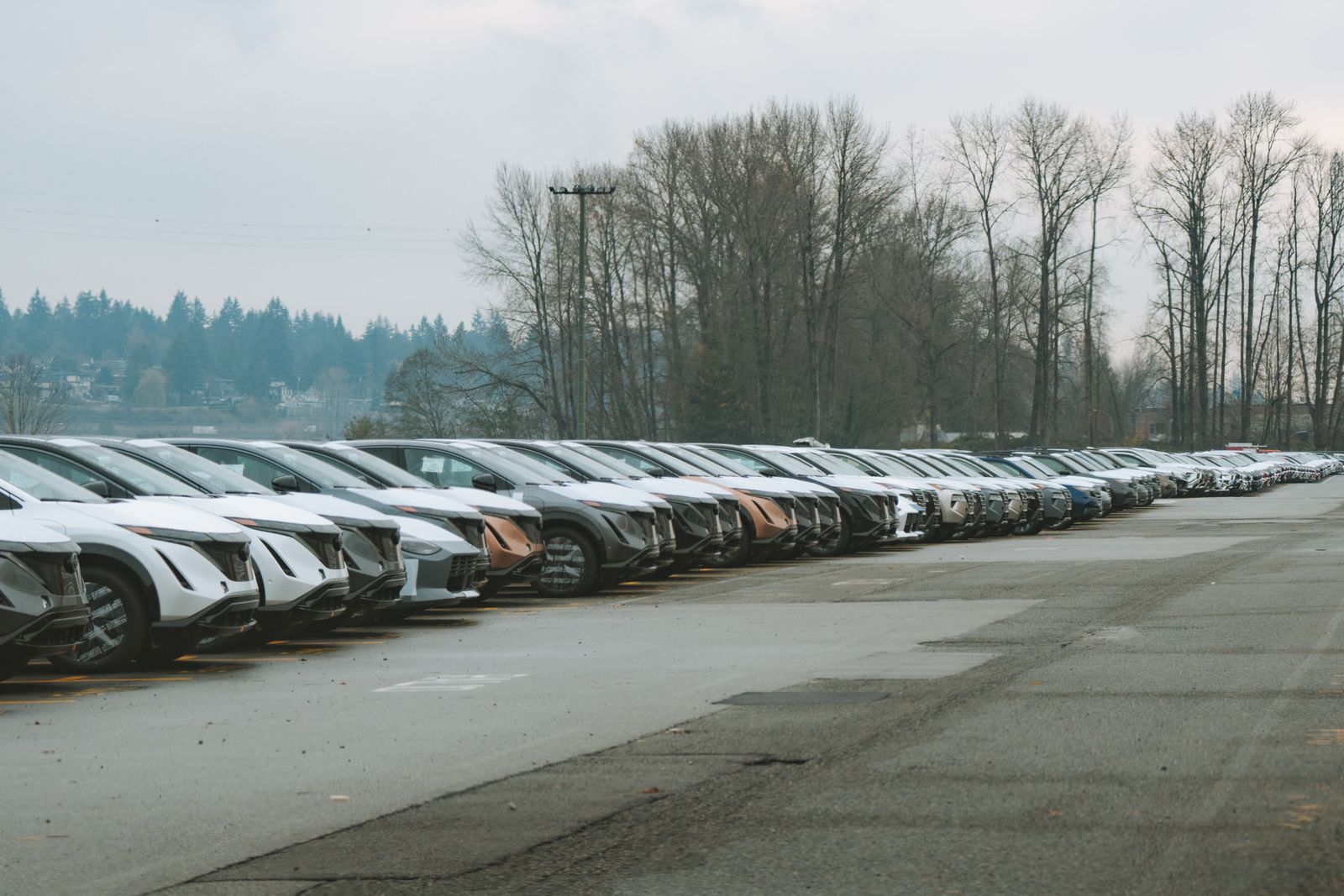
Open transport is the multi-car carrier you see on every interstate. Your vehicle rides on an open trailer, exposed to the elements the same way it is when you drive it.
This is how most cars in America get moved, including brand-new vehicles going from the factory to dealerships. It's:
- Cost-effective. More cars per load means a lower price per car.
- Widely available. The most trucks, the most lanes, the shortest wait.
- Proven. It's the default for everyday vehicles for good reason.
The only real downside is exposure. Over a long haul the car sees weather, dust, and road grime. Nothing a wash won't fix, but it's worth considering if you're protecting a show-quality finish.
Enclosed transport: the premium shield
Enclosed transport moves your car inside a hard-sided trailer, completely shielded from weather, dust, and road debris. It's what you choose when the finish and the vehicle are part of the value.
What you're paying for:
- Full protection from rain, snow, salt, and highway debris.
- Privacy. The car is out of sight the entire way.
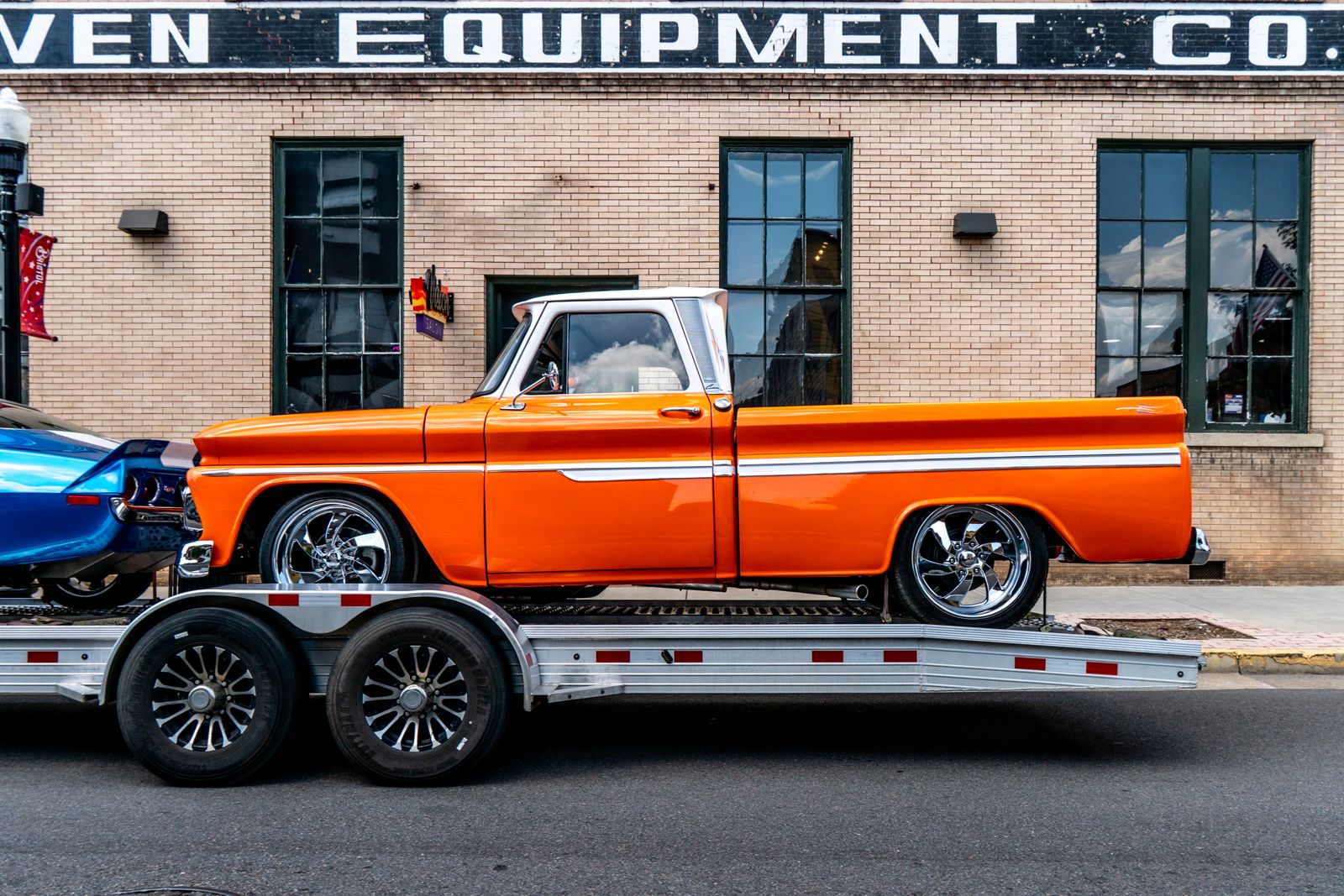
- Extra handling care. Enclosed rigs often carry fewer vehicles and come equipped with low-angle ramps or hydraulic lift gates for low-clearance cars.
The trade-offs are straightforward. It costs more, and there are fewer trucks running enclosed, so it can take a bit longer to schedule. For the right vehicle, both are easy trades to make.
The cost difference, honestly
Enclosed transport generally costs meaningfully more than open on the same lane. There's no single multiplier, since it depends on route, vehicle size, and season, but the reasons are consistent:
- Enclosed trailers carry fewer vehicles per load.
- They involve more specialized equipment and handling.
- They're in tighter supply than open carriers.
Here's the useful way to think about it. For a $12,000 commuter, the enclosed premium is hard to justify. For a $120,000 collector car, that same premium is a rounding error against the value it protects.
How to choose: a quick guide
Match the service to the vehicle.
Choose open transport for:
- Daily drivers and commuter cars
- Standard sedans, SUVs, and trucks
- Dealer and auction inventory where cost efficiency matters
- Any vehicle where a wash at the other end is no big deal
Choose enclosed transport for:
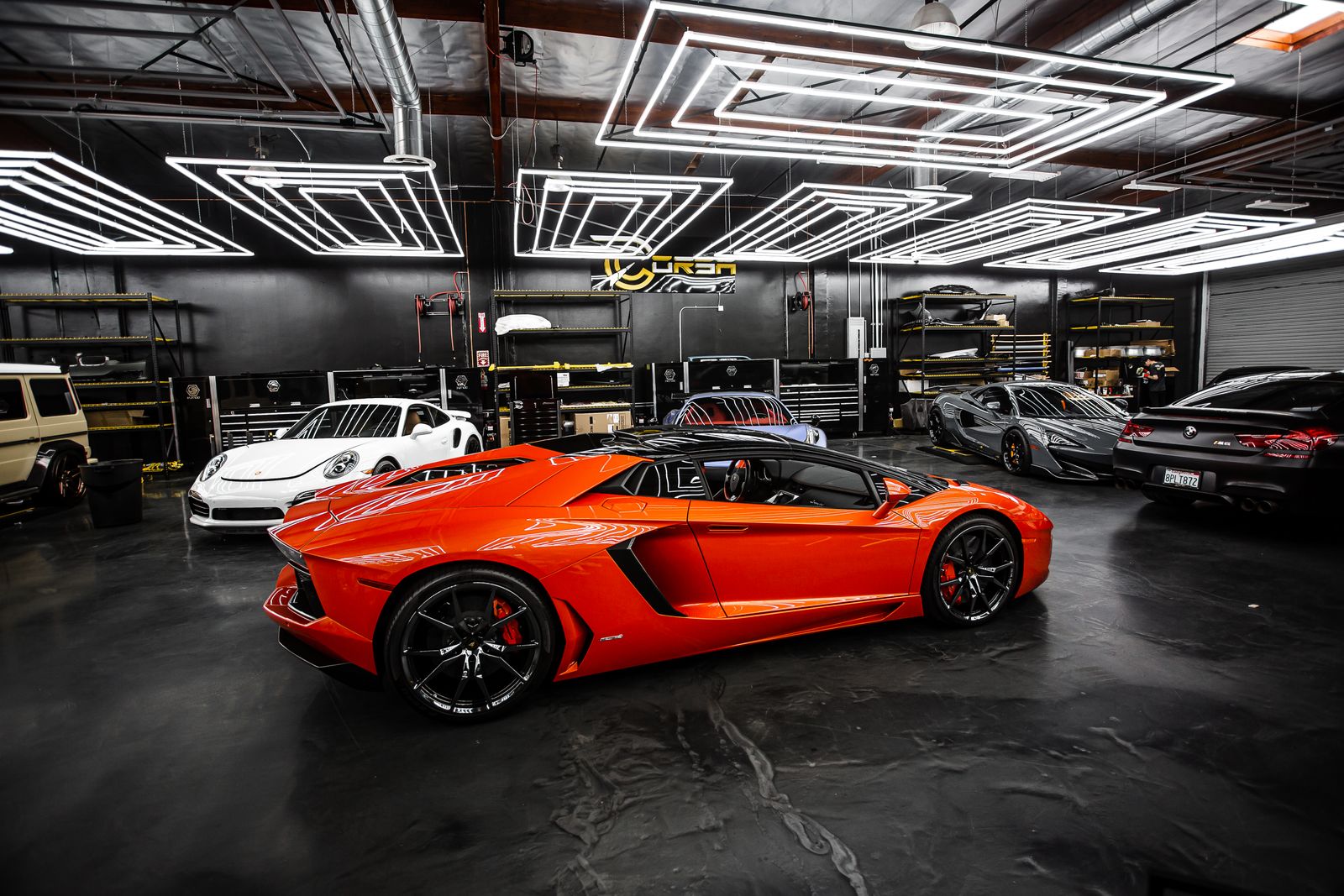
- Exotics and supercars
- Classic and antique cars
- Luxury and high-end vehicles
- Show cars and freshly restored vehicles
- Low-clearance cars that need lift-gate loading
- Anything rare, irreplaceable, or sentimental
A few honest gray areas
Not every car is an obvious call. A few nudges:
- New luxury car, short move? Open is usually fine.
- Mid-value car, cross-country in winter? Salt and slush on a long haul make enclosed worth a look.
- First collector car you've ever owned? If you're going to lose sleep over it, enclosed buys the peace of mind. That's a legitimate reason.
- On a budget with an everyday car? Don't let anyone upsell you into enclosed you don't need. Open is the right, responsible default.
The bottom line
Open transport is the smart default for everyday vehicles. It's safe, efficient, and proven. Enclosed transport is the right investment for high-value, rare, or low-clearance cars where full protection matters. Choose based on the vehicle, not the sales pitch.
Once you've picked a service, our pre-shipment checklist and our guide to what to expect on shipping day will get you ready for the rest. Or just request a quote and we'll help you decide.
Frequently asked questions
Is open or enclosed car transport better?
Neither is universally better. It depends on the vehicle. Open transport is safe, widely available, and cost-effective, and it's the right choice for most everyday cars. Enclosed transport costs more but fully shields the vehicle from weather and road debris, which makes it the better choice for luxury, exotic, classic, and other high-value or low-clearance cars.
How much more does enclosed car shipping cost than open?
Enclosed transport generally costs meaningfully more than open on the same lane, because enclosed trailers carry fewer vehicles, involve more specialized handling, and are in tighter supply. The exact difference varies by route, vehicle, and season. For a high-value car, many owners find the premium is small relative to the value being protected.
Is open car transport safe?
Yes. Open transport is how the majority of cars in America are moved, including brand-new vehicles delivered to dealerships. The car is exposed to weather and road debris the same way it would be if you drove it, but with proper wheel-strap securement and documentation it's a safe, proven method for everyday vehicles.
Should I ship my classic or exotic car enclosed?
For a classic, exotic, show car, or anything rare and irreplaceable, enclosed transport is the recommended choice. It protects the finish from weather and debris, keeps the car out of sight, and usually comes with extra handling care such as low-angle ramps or lift gates for low-clearance vehicles.