Pricing
How Much Does It Cost to Ship a Car? (2026 Pricing Guide)
What it really costs to ship a car in 2026: typical price ranges by distance, the factors that move your quote up or down, open vs. enclosed cost, and practical ways to pay less without picking a bad carrier.

"How much does it cost to ship a car?" is the first question almost everyone asks, and the honest answer is that it depends, because the price is built from a handful of moving parts. The good news is that once you understand those parts, the range becomes predictable and you can tell a fair quote from a bad one.
Here's how car shipping pricing actually works in 2026.
Typical price ranges by distance
Distance is the single biggest factor. As a rough, real-world guide for an open carrier, which is the standard choice, here's what most moves land near:
- Short, under about 500 miles: roughly $500 to $800
- Mid-distance, about 500 to 1,500 miles: roughly $700 to $1,100
- Long or coast-to-coast, 2,000+ miles: roughly $900 to $1,600
Notice that a cross-country move isn't proportionally more expensive than a short one. That comes down to how per-mile pricing works.
The per-mile paradox
Car shipping costs more per mile on short trips and less per mile on long ones:
- A 300-mile move might run $1.50 to $2.00 per mile.
- A 2,000-mile move might run $0.50 to $0.60 per mile.
The reason is that a lot of the cost is fixed. Loading, securing, the driver's time, the fuel to get to you. On a long haul those fixed costs spread across more miles, so each mile gets cheaper even though the total is higher. It's the same reason a cross-country lane can feel like a relative bargain.
What moves your price up or down
Beyond distance, these are the levers that change your quote.
Vehicle size and weight
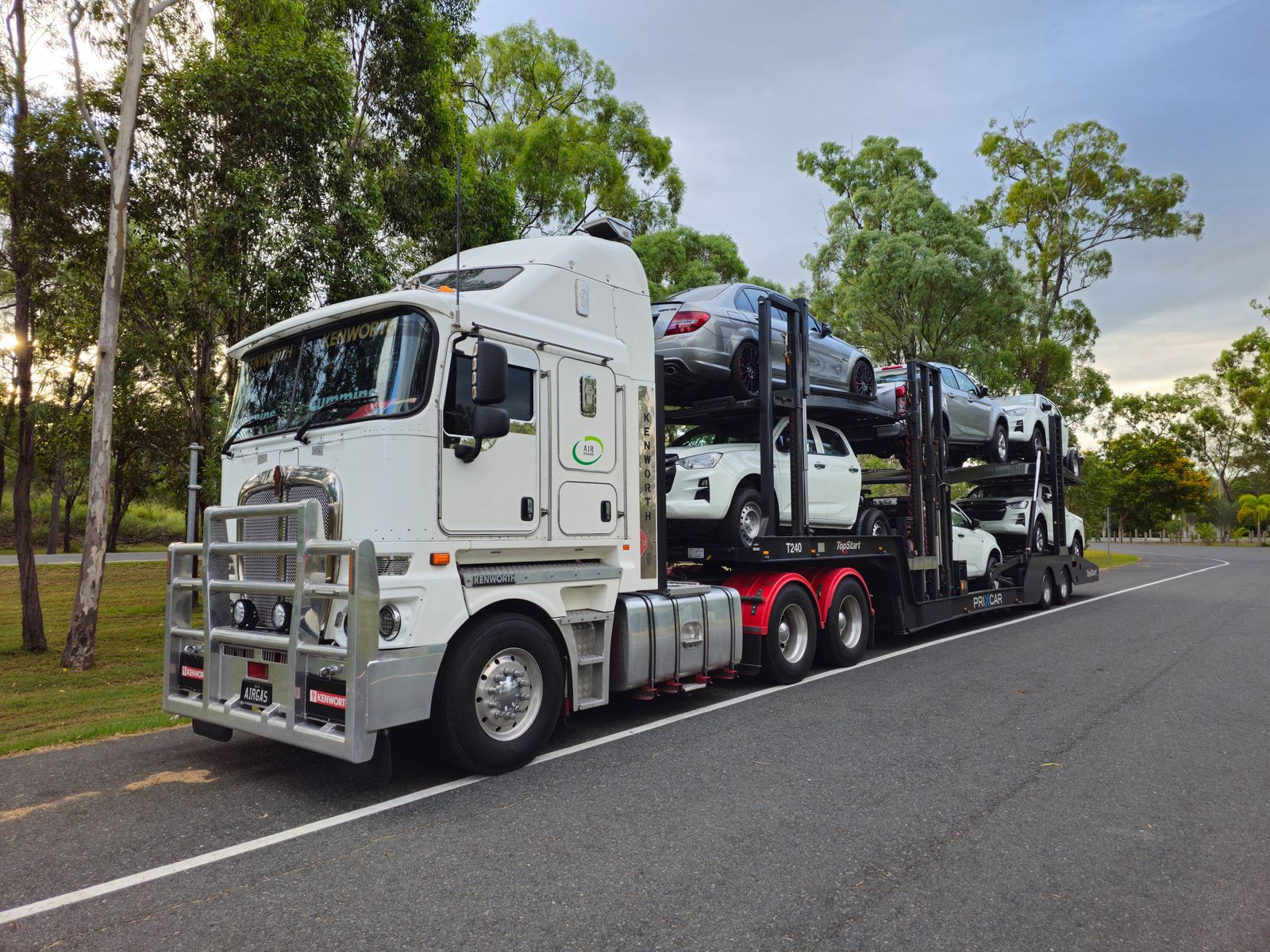
A compact sedan is the baseline. Trucks, full-size SUVs, and vans take up more space on the trailer and add weight, so they cost more. Oversized or lifted vehicles can add more still.
Open vs. enclosed
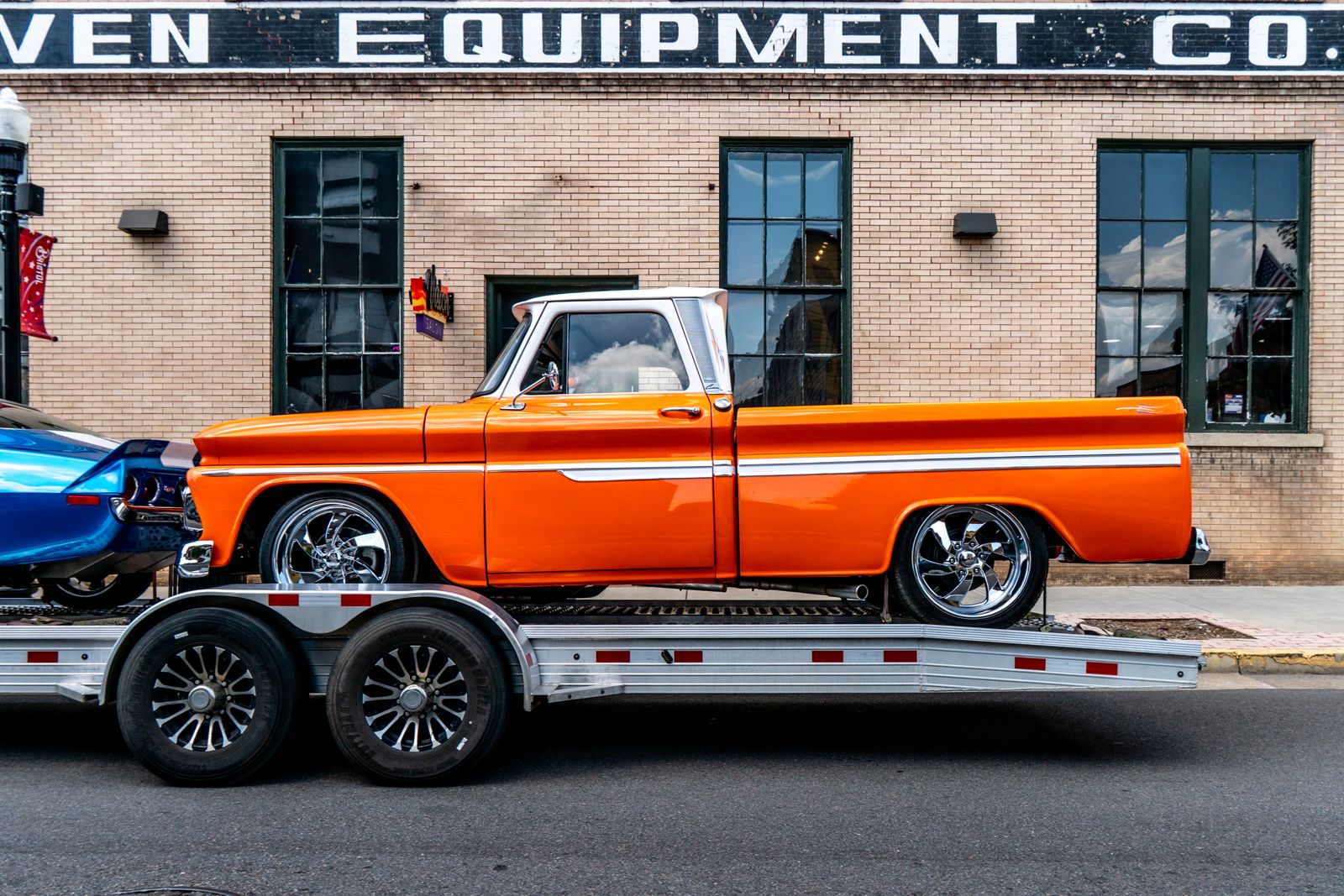
Enclosed transport typically runs about 30% to 60% more than open for the same route, because enclosed trailers carry fewer cars and involve more specialized handling. For most everyday vehicles, open is the right, cost-effective call. We break down the decision in enclosed vs. open auto transport.
Running condition
An inoperable vehicle needs a winch and extra handling, which adds cost. Always disclose it up front. An undeclared non-runner can derail a pickup.
Season and demand
Prices flex with the calendar. Snowbird season in the fall and spring tightens capacity on Sun Belt lanes, and summer is busy for relocations. High demand on your route nudges prices up.
Date flexibility
The more flexible your pickup window, the easier it is to fit your car onto an efficient route, and flexibility often earns a better rate. A hard, must-move-today deadline means expedited service, and that costs more.
Pickup and delivery locations
Dense metro areas with plenty of carrier traffic price better than remote, rural addresses that are out of the way for drivers.
Open vs. enclosed: a quick cost picture
For the same lane, think of it this way:
- Open transport is the efficient standard. It's right for daily drivers, standard sedans, SUVs, and trucks.
- Enclosed transport carries roughly a 30% to 60% premium, and that buys full protection from weather and road debris. Worth it for exotics, classics, luxury, and low-clearance cars.
If you're moving a collector or high-value car, the premium is usually small against the value being protected. See our guide to shipping a classic or collector car for the full picture.
How to pay a fair price without picking a bad carrier
Saving money on car shipping is less about chasing the lowest number and more about being a smart buyer:
- Get a few quotes and find the market range for your lane.
- Ignore the extreme outliers. A quote hundreds below the rest is usually a lowball that climbs once "no driver will take the load."
- Be flexible on dates where you can. It genuinely helps your rate.
- Choose open unless your vehicle truly needs enclosed.
- Book a bit ahead rather than last-minute, especially in peak season.
- Verify the carrier before you commit. Licensing, insurance, reviews. Our guide to the signs of a good vs. bad car hauler shows exactly what to check.
Shipping on a specific lane?
If you're moving to or from Indianapolis, we run weekly dedicated lanes with predictable pricing. See all of our direct lanes, or jump to a popular one like Indianapolis to Dallas or Indianapolis to Phoenix.
The bottom line
Car shipping costs are built from distance, vehicle size, service type, condition, season, and flexibility. Use the ranges here to sanity-check your quotes, favor a fair all-in price over the cheapest one, and verify whoever you hire. Then request a quote and we'll give you a straight number for your exact move.
Frequently asked questions
How much does it cost to ship a car across the country?
A coast-to-coast move on an open carrier typically falls somewhere around $900 to $1,600, depending on the exact route, vehicle size, season, and timing. Enclosed transport for the same distance generally runs 30% to 60% higher. The most reliable number is a written, all-in quote for your specific vehicle and lane.
Why is car shipping cheaper per mile for long distances?
Long hauls spread the fixed costs of loading, fuel stops, and the driver's time over more miles, so the per-mile rate drops. A 300-mile move might cost around $1.50 to $2.00 per mile, while a 2,000-mile move can be closer to $0.50 to $0.60 per mile. The total is higher on the long haul, but each mile is cheaper.
What makes a car shipping quote go up?
The main factors are distance, vehicle size and weight (trucks and SUVs cost more than sedans), running condition (an inoperable car needs a winch), enclosed vs. open service, the season and demand on your route, and how flexible your pickup dates are. Remote pickup or delivery locations can add cost too.
Is it cheaper to ship a car or drive it?
It depends on distance. For long moves, shipping is often competitive once you count fuel, hotels, food, wear and tear, and your own time, plus the miles you'd add to the odometer. For short trips, driving is usually cheaper. Shipping wins most clearly on long distances and for valuable or low-mileage vehicles you'd rather not drive.