Specialty Transport
How to Ship a Classic or Collector Car (The Right Way)
A careful guide to shipping a classic, collector, or exotic car: why enclosed transport matters, how to document and prep a valuable vehicle, insurance and agreed-value questions to ask, and how to vet a carrier for high-value cars.
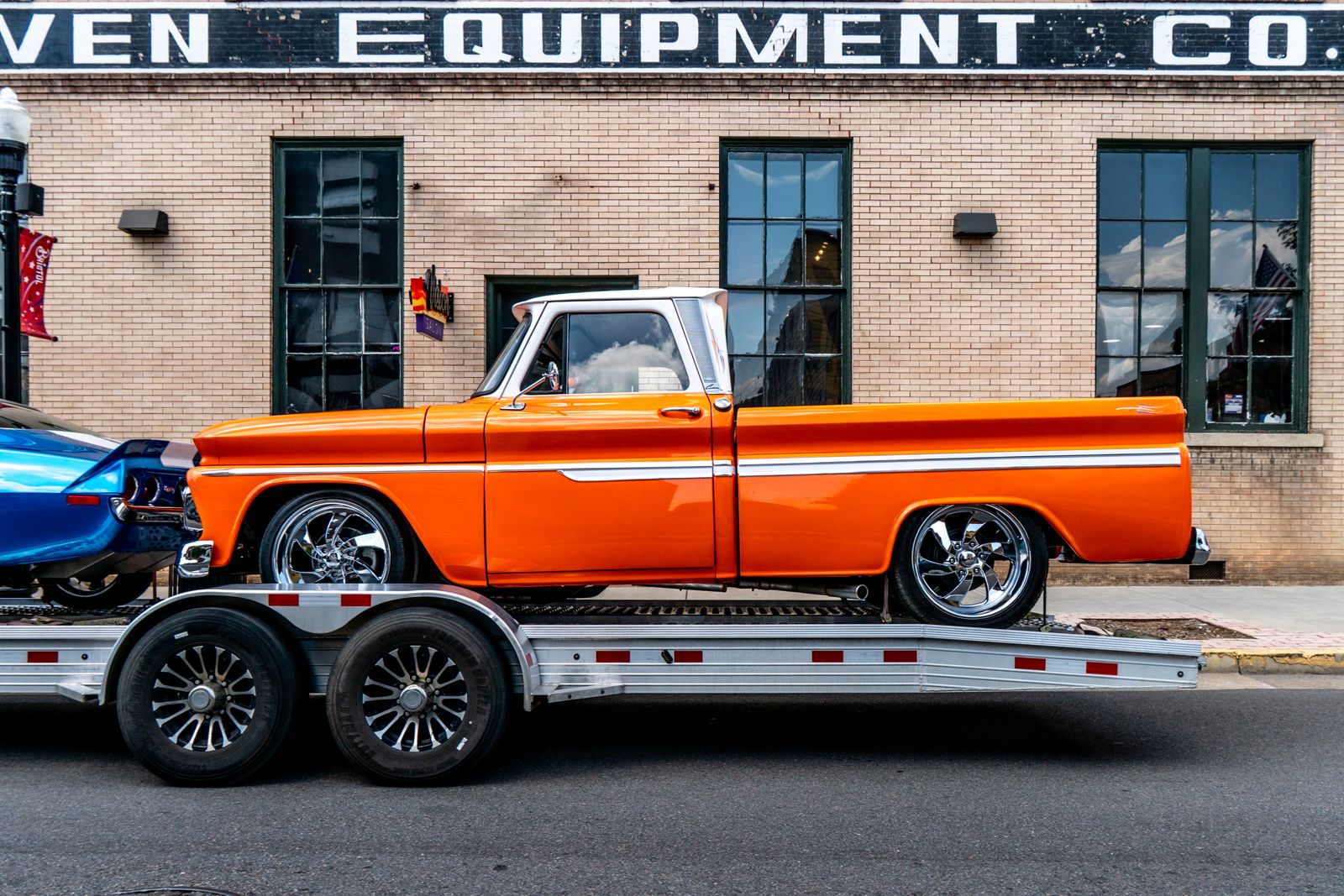
Shipping a collector car is different from shipping a commuter. The value isn't just replacement cost. It's the finish, the originality, the years of work that went into it. That raises the stakes, but it doesn't have to raise your blood pressure. Done right, moving a classic is calm and well documented from start to finish.
Here's how we approach it, and what you should expect from any carrier handling a car that matters.
Start with enclosed transport
For most classics, exotics, and high-value vehicles, enclosed transport is the right call. A hard-sided trailer fully shields the car from weather, dust, and road debris, keeps it out of sight in transit, and usually comes with more careful, lower-volume handling.
Open transport is safe and proven for everyday cars. But for something rare or irreplaceable, the enclosed premium, typically 30% to 60% more, buys protection that's small against the value at stake. We lay out the full comparison in enclosed vs. open auto transport, and you can read about our enclosed car shipping service directly.
Document the car like it's going to court
For a valuable vehicle, documentation is everything. Before it's loaded:
- Wash it so existing imperfections show honestly.
- Photograph every panel, the roof, wheels, and interior in good daylight.
- Take close-ups of any existing chips, cracks, patina, or prior repairs.
- Capture the odometer and fuel level.
- Add a slow walk-around video.
Make sure the images are timestamped and email a copy to yourself. That baseline is your protection, and with a professional carrier it also becomes part of the pickup and delivery inspection on the bill of lading. Our pre-shipment checklist covers the full routine.
Ask the right insurance questions
A licensed carrier carries cargo insurance, but for a high-value car, "insured" isn't specific enough. Ask directly:
- What is the cargo insurance limit on the trailer carrying my car?
- Is my vehicle's agreed or declared value covered end to end?
- Can I get a certificate of insurance for my records?
Mind the clearance and the quirks
Classics and exotics come with personality, and with physical constraints. Tell your carrier in advance about:
- Low ground clearance. Lowered stance, front splitters, air dams. These need long, low-angle ramps or a hydraulic lift gate so nothing scrapes on load-in.
- Starting quirks. A manual choke, a battery cutoff, a temperamental starter, or a specific cold-start procedure.
- Fluid leaks or a weak battery, so the driver plans accordingly.
- Delicate or removable parts like mirrors, spoilers, and emblems.
A carrier who handles collector cars will ask these questions before you have to volunteer them. That's a good sign.
Vet the carrier for high-value work specifically
Not every hauler is set up for collector cars. Beyond the usual checks of active USDOT licensing, insurance, and real reviews, look for signals that they do this often:
- They secure cars by the wheels with soft straps, never chains on the frame. (More on gear in our guide to the right equipment for car hauling.)
- They have enclosed capability and can speak to lift gates and low-clearance loading.
- They can offer references or a track record with similar vehicles.
- They work unhurried and precise. The loading process looks controlled, not rushed.
The full framework is in signs of a good vs. bad car hauler. For a collector car, weigh experience and care far above the lowest price.

What to expect on the day
The process mirrors any professional move, with extra care baked in. A photo-documented walk-around at pickup, soft-strap securement or lift-gate loading for low cars, proactive updates in transit, and a careful final inspection against the pickup record at delivery. If you want the full play-by-play, read what to expect when shipping your car.
The bottom line
Shipping a classic comes down to protection, documentation, and the right hands. Choose enclosed, photograph everything, confirm the insurance actually covers your car's value, disclose the quirks, and hire a carrier who treats high-value vehicles as routine. Do that and the whole move stays calm, which is exactly what a car like yours deserves. Request a quote and we'll take it from there.
Frequently asked questions
Should I ship my classic car enclosed or open?
For a classic, collector, exotic, or otherwise high-value car, enclosed transport is the recommended choice. It fully shields the vehicle from weather, dust, and road debris, keeps it out of sight, and usually comes with extra handling care such as low-angle ramps or a lift gate. Open transport is safe for everyday vehicles, but enclosed is the standard for anything rare or irreplaceable.
How is a classic car secured during transport?
On modern carriers, valuable cars are secured by the wheels using soft over-the-tire straps at four points, not by chaining the frame or suspension. This holds the car firmly while letting the suspension move naturally, which protects both the drivetrain and the finish. For very low or delicate cars, a hydraulic lift gate raises the vehicle on a level platform instead of using ramps.
Is my classic car insured during shipping, and for how much?
A licensed carrier carries cargo insurance, but limits vary. For a high-value car you should confirm the coverage amount in writing and ask whether your vehicle's agreed or declared value is covered. Keep your own dated condition photos as well. For especially valuable cars, some owners add supplemental coverage through their collector-car insurer.
How do I prepare a classic car for transport?
Wash it so existing imperfections are visible, photograph every panel in good light, note the fuel level (leave about a quarter tank), disable any alarm, and secure or remove loose parts. Tell the carrier about low ground clearance, a weak battery, fluid leaks, a manual choke, or any starting quirks so they arrive prepared and handle it correctly.