How It Works
How Long Does It Take to Ship a Car? Transit Times by Distance
How long car shipping takes: typical transit times by distance, how long pickup takes to schedule, what slows a shipment down, and how to plan around it.
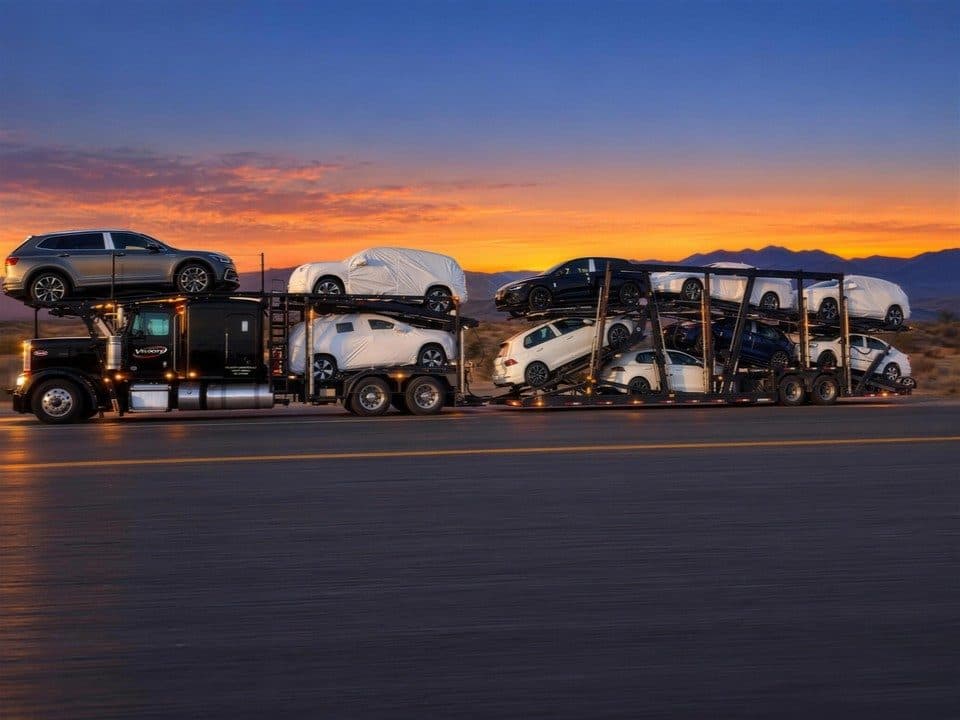
"When will my car get there?" is the second question everyone asks, right after price. The answer has two parts: how long until pickup, and how long the car spends on the truck. Here's how both work.
Transit time by distance
Once your car is loaded, these are typical times on the road:
- Under 500 miles: one to two days (Indianapolis to Chicago)
- 500 to 1,000 miles: one to three days (Indianapolis to Dallas)
- 1,000 to 1,500 miles: two to four days (Chicago to Houston)
- 1,500 to 2,000 miles: four to six days (Indianapolis to Phoenix)
- Coast to coast: seven to ten days (New York to Los Angeles)
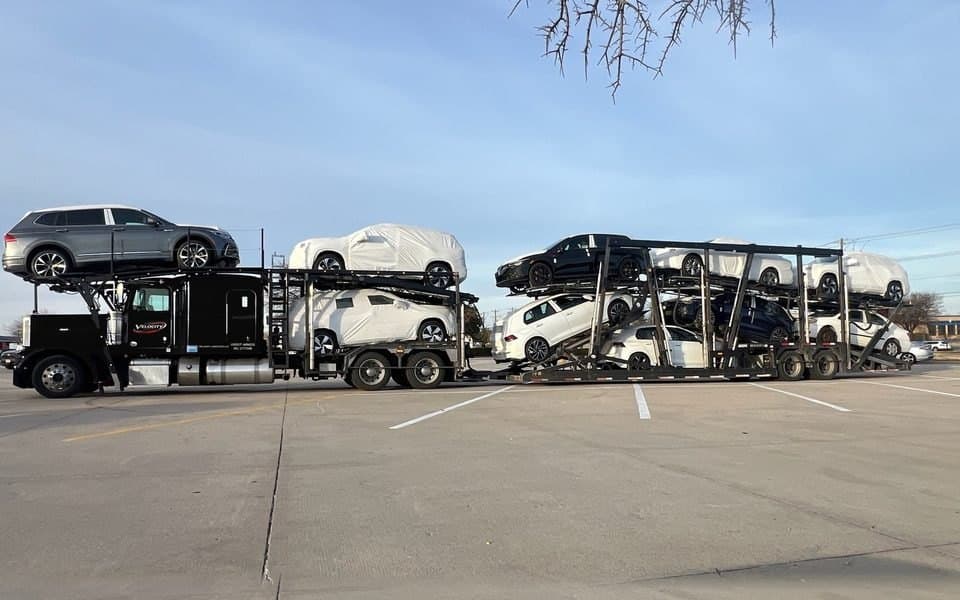
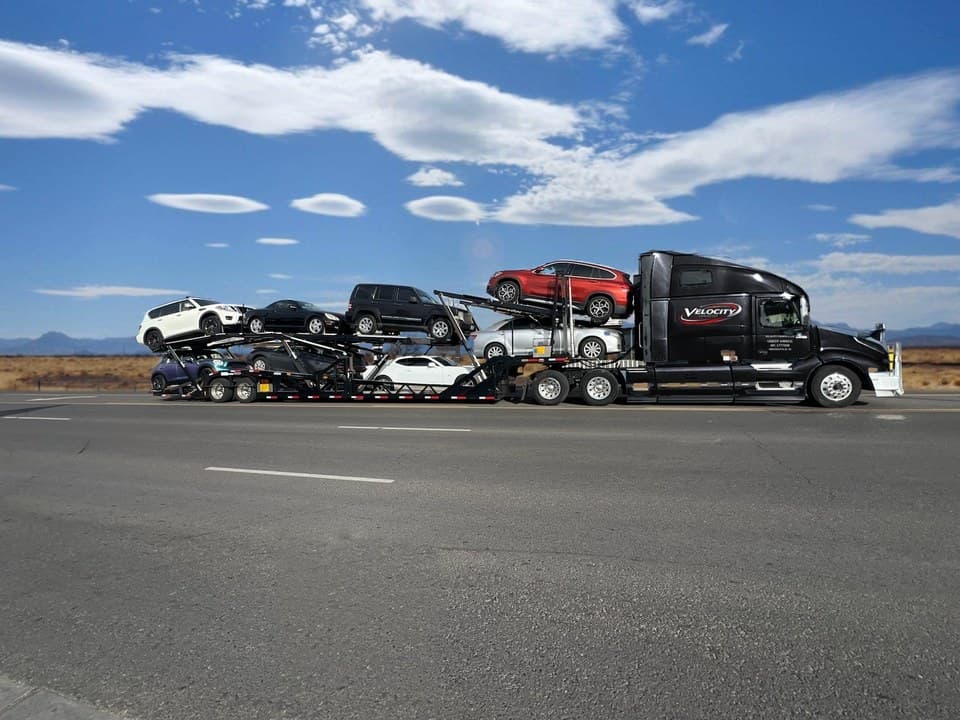
A rough rule: a car carrier covers about 400 to 500 miles a day. It's slower than driving straight through because drivers follow federal hours-of-service limits, and the truck stops to load and unload other customers' cars along the way.
How long until pickup
This is the part that varies most. A carrier has to fit your car onto a truck that's heading your way.
- On a carrier's regular route, pickup can often be scheduled within a few days and confirmed when you quote. Our own trucks run Indiana to Texas every week, plus Chicago to Texas and Chicago to Indianapolis.
- Off the regular routes, it can take longer to line up a truck, especially to rural areas. When a vetted partner carrier hauls your car, we tell you before pickup.
- Booking a week or two ahead gives you the widest choice of dates.
What slows a shipment down
- Weather. Snow in the Midwest and Northeast, storms in the South.
- Holidays. The weeks around Thanksgiving, Christmas and New Year's are tight.
- Peak seasons. Summer moving season and snowbird season (fall going south, spring coming north). See our snowbird guide.
- Remote addresses. Rural pickups and deliveries take more planning than a city on a highway.
- A non-running car or missing keys that weren't mentioned up front.
- Nobody home. If no one is there to release or receive the car, the driver may have to come back.
How to keep your shipment on schedule
- Book early, especially in peak season.
- Be flexible by a day or two on pickup if you can.
- Give exact addresses and a phone number that will answer.
- Describe the car honestly: runs or not, keys or not, any modifications.
- Have someone ready at both ends, or name a person to release or receive the car.
How the booking timeline works with us
- You request a quote, and it arrives by email within minutes during business hours.
- You add details and sign the agreement.
- You handle payment by card or ACH in the online portal, on the terms in your agreement.
- A driver is assigned and your spot is secured.
- Pickup, transport, delivery, with a call ahead at both ends.
Our step-by-step timeline walks through each stage.
The bottom line
Most cars spend one to ten days on the truck. Pickup timing is the bigger variable, and it's fastest on a carrier's regular routes. Book early, stay a little flexible, and give the carrier the details it needs. Request a quote with the date you need your car.
Frequently asked questions
How long does it take to ship a car across the country?
Coast to coast, most cars spend about seven to ten days on the truck once loaded. Shorter moves are faster: about one to two days for under 500 miles, one to three days for 500 to 1,000 miles.
How soon can my car be picked up?
It depends on the route and the season. On a carrier's regular routes, pickup can often be scheduled within a few days and confirmed when you quote. Off-route pickups can take longer to schedule. Booking a week or two ahead gives you the most dates.
Can I get a guaranteed delivery date?
Dispatch gives you a pickup window and an estimated delivery window, and the driver calls ahead at both ends. Weather and traffic can move a date, so build a day of cushion into your plans.
Why is my car's trip taking longer than the miles suggest?
A car carrier picks up and delivers several vehicles on one trip, and drivers follow federal hours-of-service limits. Both add time compared with driving straight through.
How fast are your own routes?
Once loaded, Indianapolis to Dallas is usually one to two days, Houston about two, and Indianapolis to Chicago the same or next day.