Specialty Transport
How to Ship a Tesla or Other Electric Car
Shipping a Tesla, Rivian or other EV: why electric cars cost more to ship, what charge to leave, transport mode, keys and key cards, and how to prep.
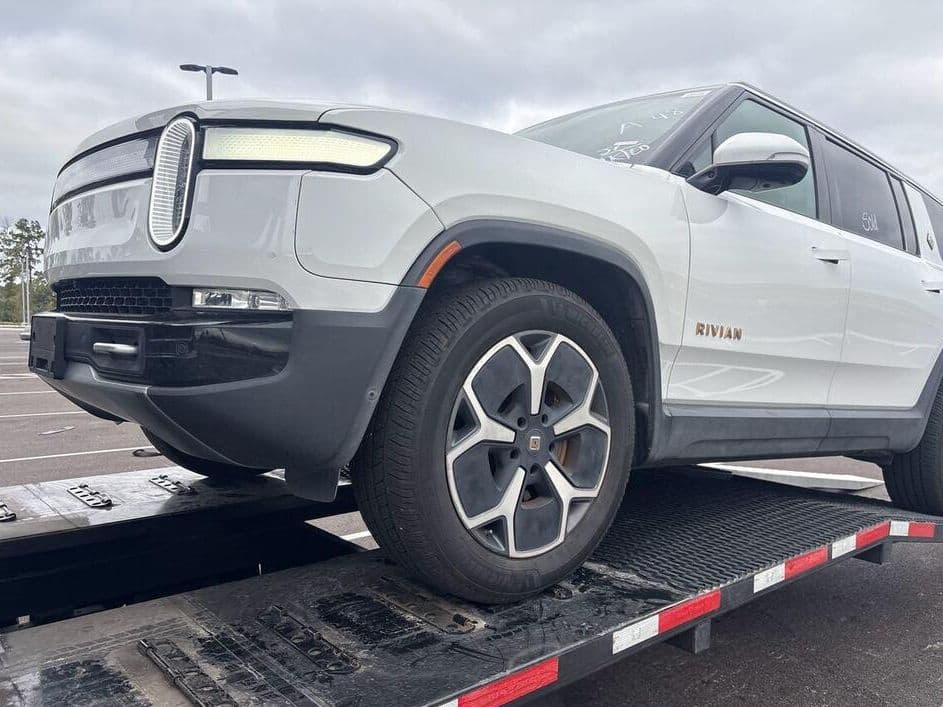
People buy electric cars online, move with them, and pick up deliveries from out-of-state showrooms, and we haul EVs regularly. A few things are different from shipping a gas car, though.
Why EVs cost more to ship
Weight. Battery packs make electric cars heavy, often much heavier than a gas car of the same size. That means:
- Larger trailers. Heavier vehicles may need a bigger trailer.
- Sometimes a flatbed, depending on the vehicle.
- More of the load's weight capacity. Every car carrier has a weight limit, and a heavy EV uses more of it.
So an EV usually costs more to ship than a gas car on the same route. You get the number in writing before you book.
Charge level
Leave enough charge to drive on and off the trailer and move around a lot at both ends. You don't need 100%. If your car needs a specific level, dispatch will tell you when you book.
If the battery is dead or the car won't power on, tell us up front. A car that can't power on or roll needs a different loading plan.
Transport mode and keys
EVs don't always behave like gas cars when they're being loaded:
- Tow or transport mode. Many EVs, including Teslas, have a mode that lets the car roll freely without being driven. Know where it is in your car's menu, or check your owner's manual, and tell the driver.
- Keys and key cards. Phone-as-key won't work for the driver. Hand over a key card, fob or physical key, and make sure it works.
- Sentry and alarm features. Turn off camera or alarm modes that could drain the battery or go off on the trailer.
- Air suspension. If your car has adjustable air suspension, tell the driver. It may need a setting changed before the car is tied down.
Prep the car
- Wash it so the inspection photos are clear.
- Photograph it from every side.
- Unplug and remove charging cables you won't need, plus toll tags and valuables. Our agreement allows up to 100 lbs of personal items in the trunk or rear cargo area, below the windows, at your own risk.
- Check the 12-volt battery. If it dies, many EVs can't be unlocked or put in transport mode, and some transport modes need the car powered on.
- Check the tires. Heavy EVs are hard on low tires.
- Skip software updates. Don't start a long update the night before pickup.
Our pre-shipment checklist covers the inspection step by step.
Open or enclosed?
Open transport is the standard for most cars, EVs included. Enclosed keeps the car out of weather and road debris, which some owners of high-end EVs prefer. See enclosed vs. open auto transport.
Who hauls your EV
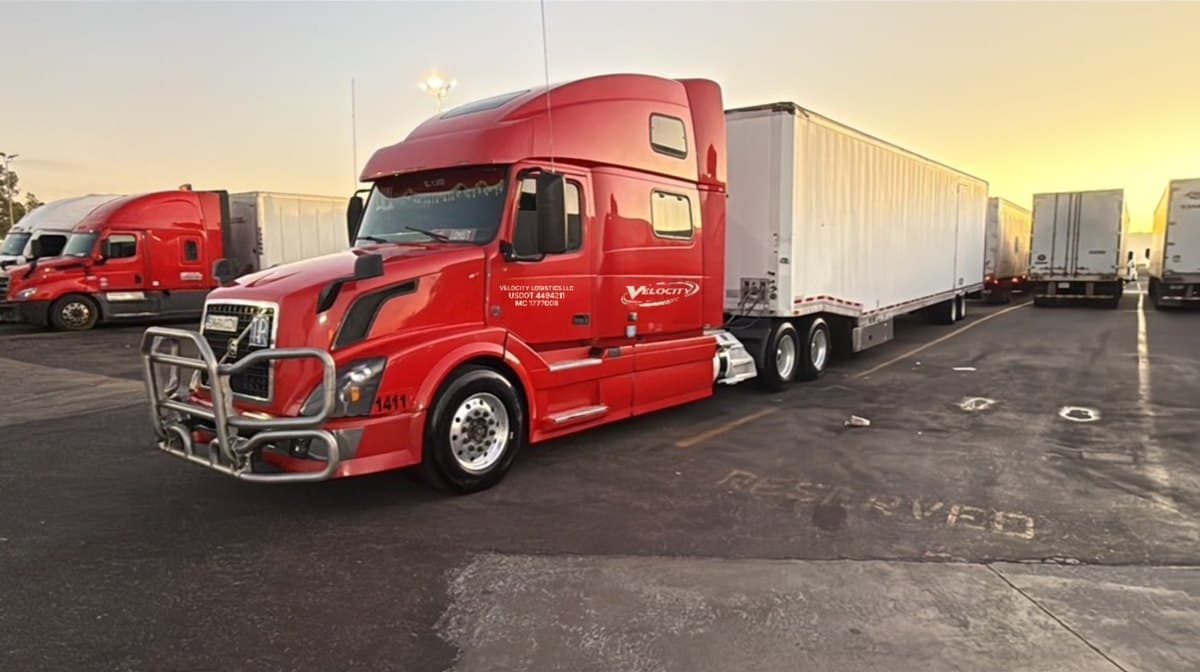
Velocity Logistics is a licensed motor carrier based in Indianapolis, and we haul EVs nationwide on our own trucks and with vetted partner carriers through our licensed broker partner. We tell you who is hauling before pickup.
The bottom line
EVs ship all the time. Expect the quote to reflect the extra weight, leave enough charge to load and unload, know your car's transport mode, and hand over a real key. Request a quote with your model and ZIP codes.
Frequently asked questions
Do you ship Teslas and other electric cars?
Yes. We ship Teslas, Rivians and other EVs door to door across the lower 48. Tell us the exact model when you book so the right trailer is assigned.
Why does it cost more to ship an EV?
Battery packs make electric cars heavy. Heavier vehicles need larger trailers, sometimes a flatbed, and take more of a load's weight capacity. That's reflected in your written quote.
How much charge should my EV have for shipping?
Enough to drive on and off the trailer and move around the lot at both ends. You don't need a full charge. If your car needs a specific level, dispatch tells you when you book.
What if my EV's battery is dead or the car won't power on?
Tell us when you book. A car that can't power on or roll needs a different loading plan, and the driver has to know before arriving.
Is enclosed transport better for an EV?
It's a choice, not a requirement. Open transport is the standard for most cars, EVs included. Enclosed keeps the car out of weather and road debris, which some owners of high-end EVs prefer.