Choosing a Carrier
Is My Car Insured While It Ships? Car Shipping Insurance Explained
Who insures your car while it's on a car carrier, what cargo insurance covers and doesn't, how to check a carrier's coverage, and what to do if there's damage.
It's the question almost everyone asks before they book: if something happens on the road, who pays? The short answer is the motor carrier's cargo insurance. The longer answer is worth five minutes, because knowing how it works is what protects you if you ever need it.
Who insures your car on the truck
Every licensed motor carrier must keep liability insurance on file with the FMCSA. The coverage that matters for your car is cargo insurance: it pays for damage to the vehicles the carrier is hauling, when the carrier is responsible. You confirm it through the carrier's certificate of insurance.
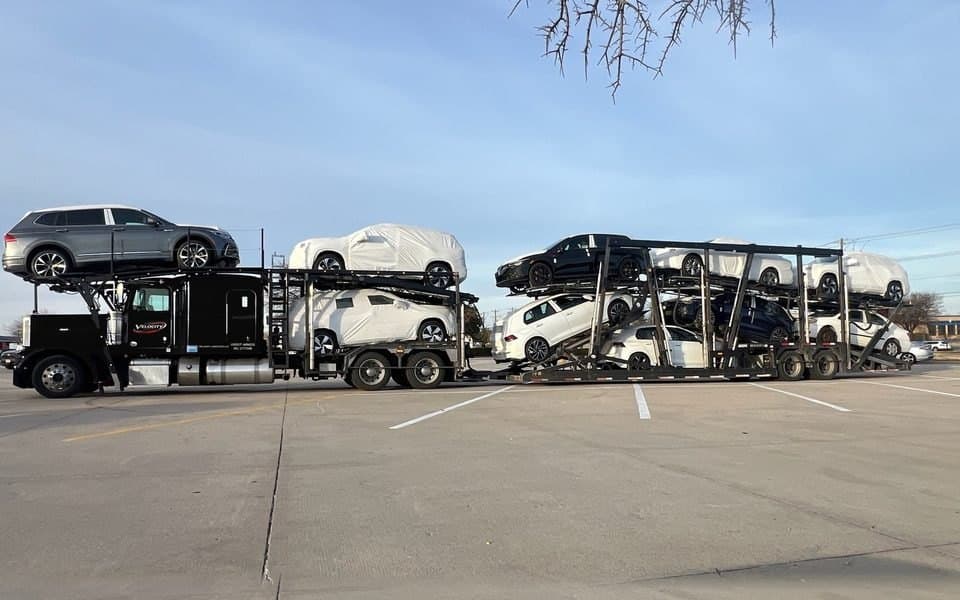
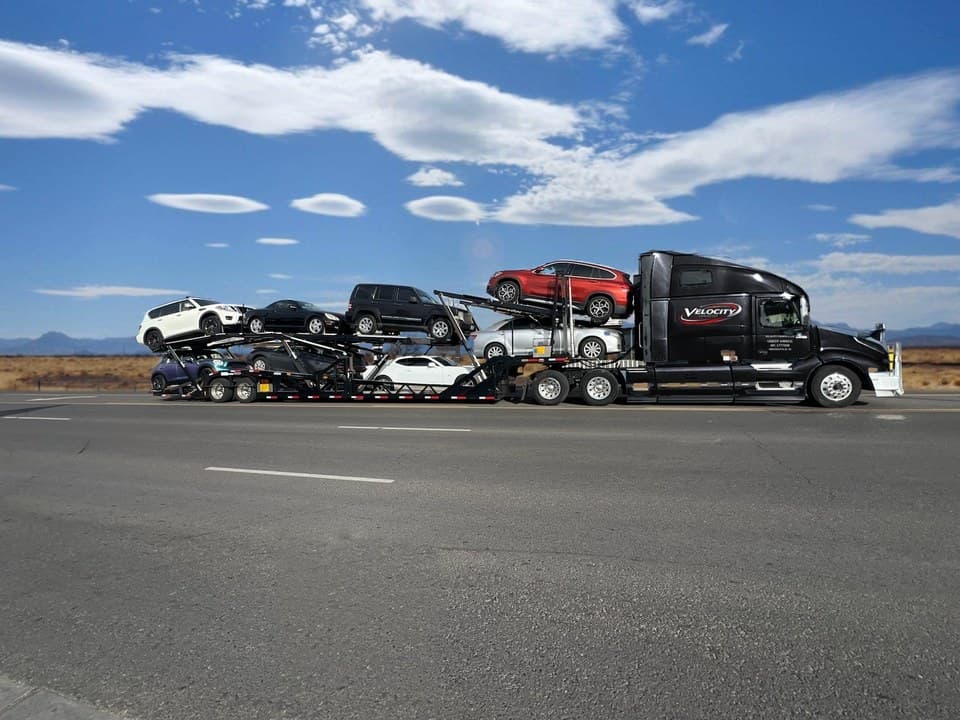
So while your car is loaded, strapped down and rolling, the carrier's cargo policy is what stands behind it. That's the policy of the carrier that physically has your car.
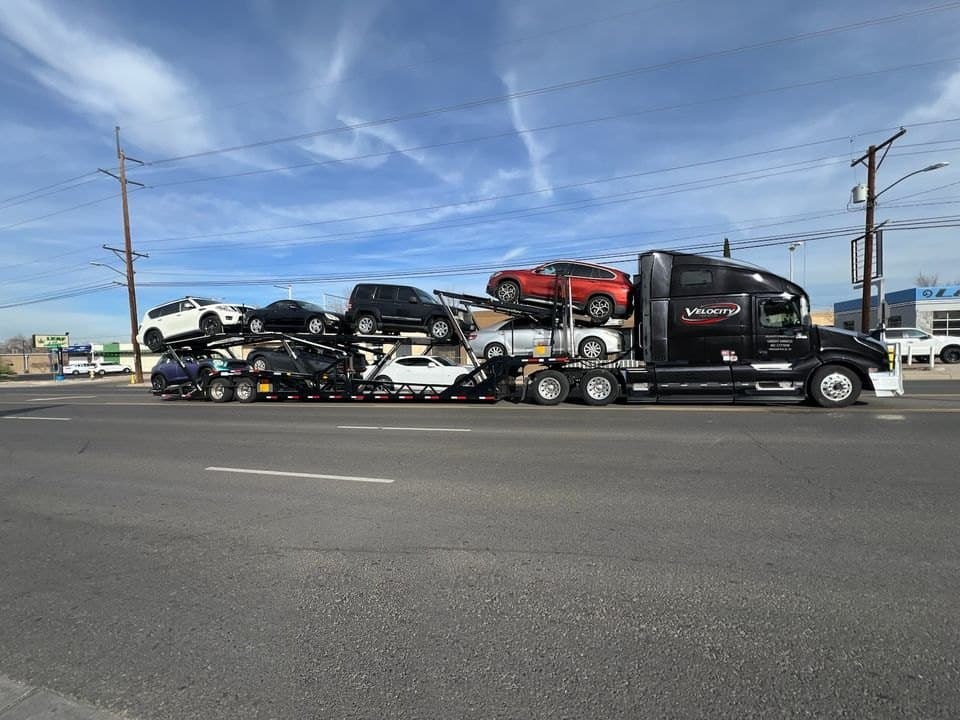
Velocity Logistics is a licensed motor carrier based in Indianapolis. Our liability insurance is on file with the FMCSA under USDOT 4494211, and our cargo coverage is listed on the certificate of insurance we send on request.
What about my own car insurance?
Your personal auto policy is a separate question. Some policies may respond to certain losses while a car is being transported. Many don't, and the details vary by insurer and state. Call your agent and ask, "Does my policy cover my car while it's on a commercial car carrier?"
Either way, don't cancel your insurance for the trip. You'll need it the moment the car comes off the trailer, and many states require continuous coverage.
What cargo insurance covers, and what it doesn't
Generally covered:
- Damage caused while the carrier loads, hauls or unloads your car
- Damage from an accident involving the truck
Generally not covered:
- Personal items inside the car. Our agreement allows up to 100 lbs in the trunk or rear cargo area, below the windows, at your own risk.
- Damage that was already there at pickup, which is why the pickup inspection matters.
- Mechanical problems unrelated to transport, like a battery that dies or a leak that was already starting.
How to check a carrier's insurance before you book
- Get the USDOT number. Any licensed carrier will give it to you.
- Look it up on the FMCSA's SAFER Company Snapshot to confirm the company is authorized and its liability insurance is active. Cargo coverage doesn't show on SAFER; it's on the COI.
- Ask for a certificate of insurance (COI). It shows the insurer and the cargo coverage. A legitimate carrier sends one quickly.
- Ask who will haul your car. If it's a partner carrier, that carrier's insurance is the one on the truck. At Velocity, when a vetted partner carrier hauls a load instead of our own drivers, we tell you before pickup.
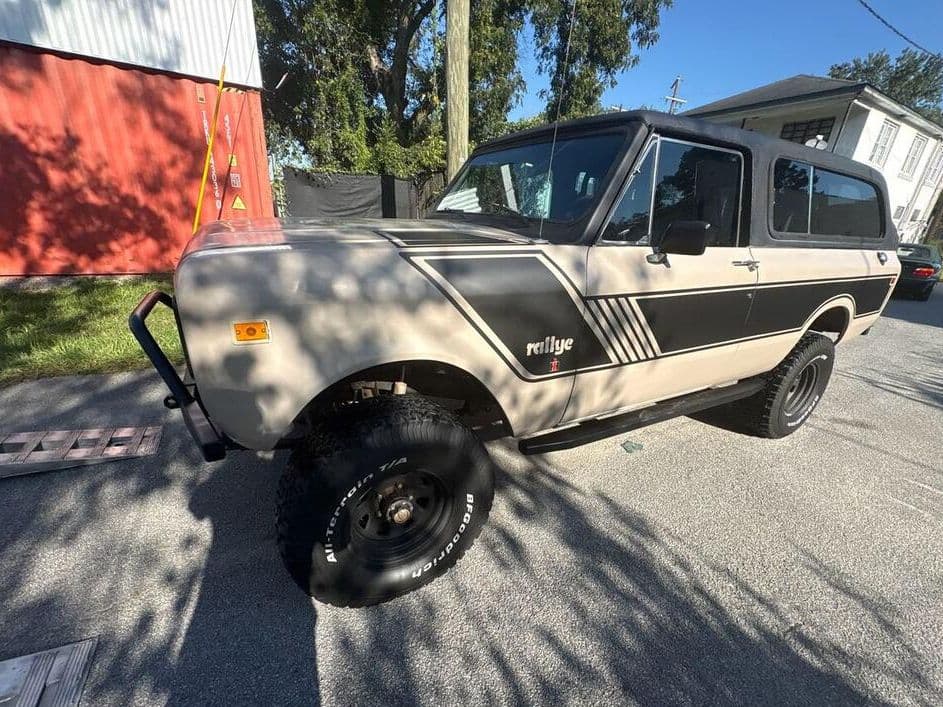
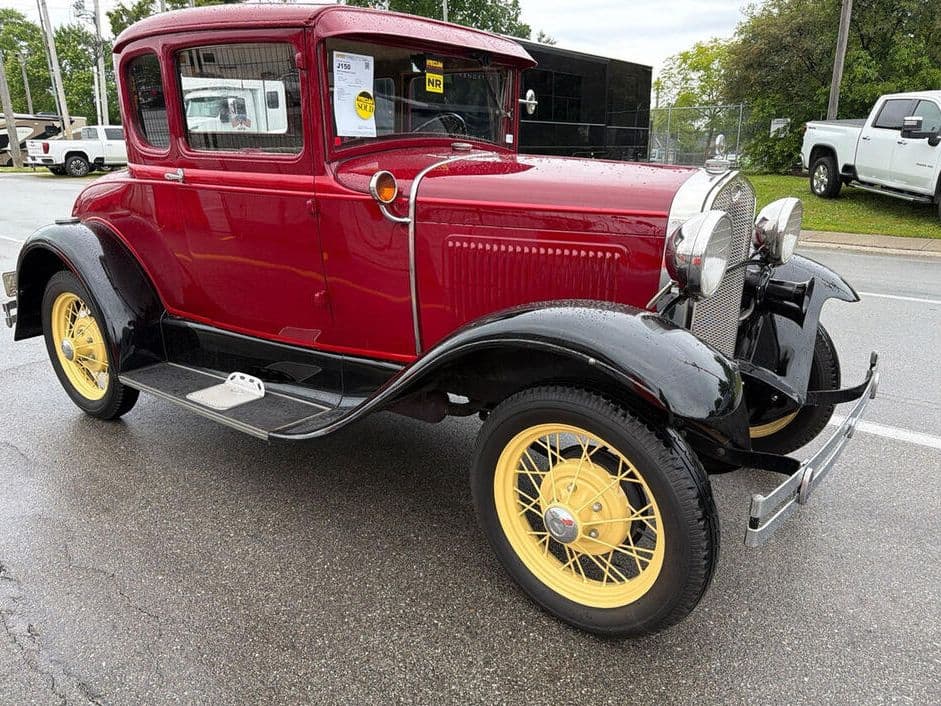
High-value car? Ask the carrier to confirm in writing that its coverage fits your vehicle, and consider asking your collector-car insurer about supplemental coverage. Our classic and collector car guide goes deeper.
The bill of lading is your proof
Insurance only helps if you can show what happened. That's the job of the bill of lading (BOL).
- At pickup, the driver inspects the car and photographs every panel. Walk around with them and point out any existing scratches or dents.
- At delivery, compare the car to the pickup photos before you sign. Check in good light, including the roof, lower panels and bumpers.
- If something's new, write it on the BOL right then, take your own photos, and tell the carrier the same day.
Signing a clean BOL and finding a scratch the next morning makes a claim much harder. Our pre-shipment checklist covers the walk-around step by step.
Open or enclosed: does it change the insurance?
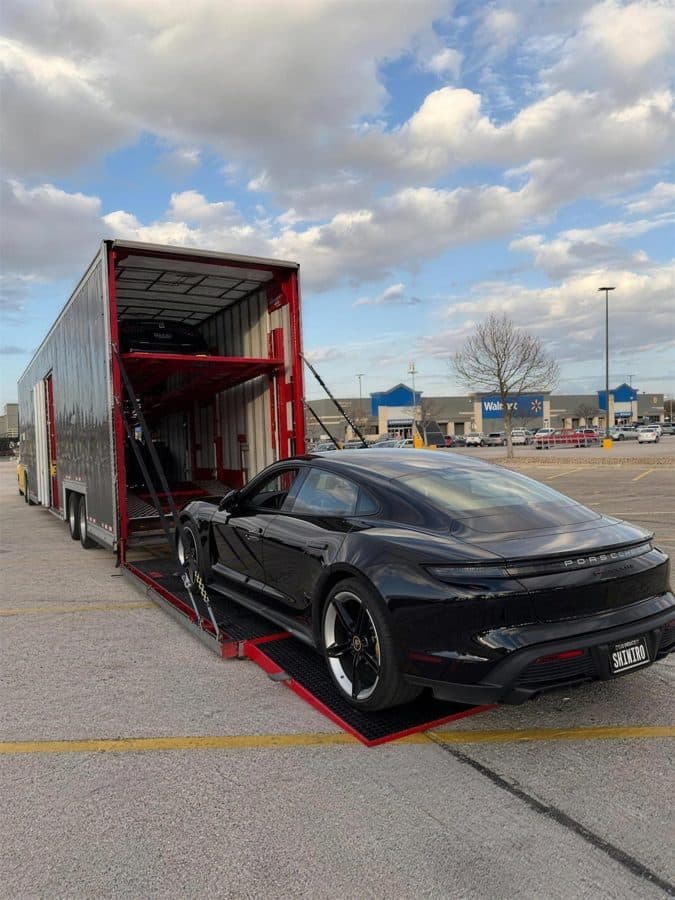
The same cargo insurance applies to both. What changes is the exposure. Open transport is the standard for most cars. Enclosed keeps the car out of weather and road debris, which is why owners of exotics, classics and fresh paint often choose it. See enclosed vs. open auto transport.
The bottom line
Your car is covered by the carrier's cargo insurance while it's on the truck. Verify the carrier on FMCSA, ask for a certificate of insurance, keep personal items to a minimum, and treat the bill of lading like the legal document it is. Request a quote and ask for our COI with it.
Frequently asked questions
Is my car insured while it's being shipped?
Yes, if the carrier carries cargo insurance, and Velocity does. Cargo insurance covers damage the carrier causes while your car is in its care. Our liability insurance is on file with the FMCSA under USDOT 4494211, and our cargo coverage is listed on the certificate of insurance we send on request.
Does my own car insurance cover shipping?
It depends on your policy. Some personal auto policies may respond to certain losses in transit, many don't. Call your insurer and ask. The carrier's cargo insurance is the main coverage while the car is on the truck.
Are personal items in the car covered?
No. Cargo insurance on a car shipment covers the vehicle, not things inside it. Our agreement allows up to 100 lbs of personal items in the trunk or rear cargo area, below the windows, at your own risk.
What should I do if my car arrives damaged?
Note the damage on the bill of lading before you sign, take photos at delivery, and contact the carrier the same day. The pickup photos, delivery photos and your notes are the record a claim is built on.
How do I check a car shipping company's insurance?
Look up its USDOT number on the FMCSA's SAFER Company Snapshot to confirm the company is authorized and its liability insurance is active. Cargo coverage doesn't show on SAFER, so ask for a certificate of insurance. A licensed carrier sends one without fuss.